
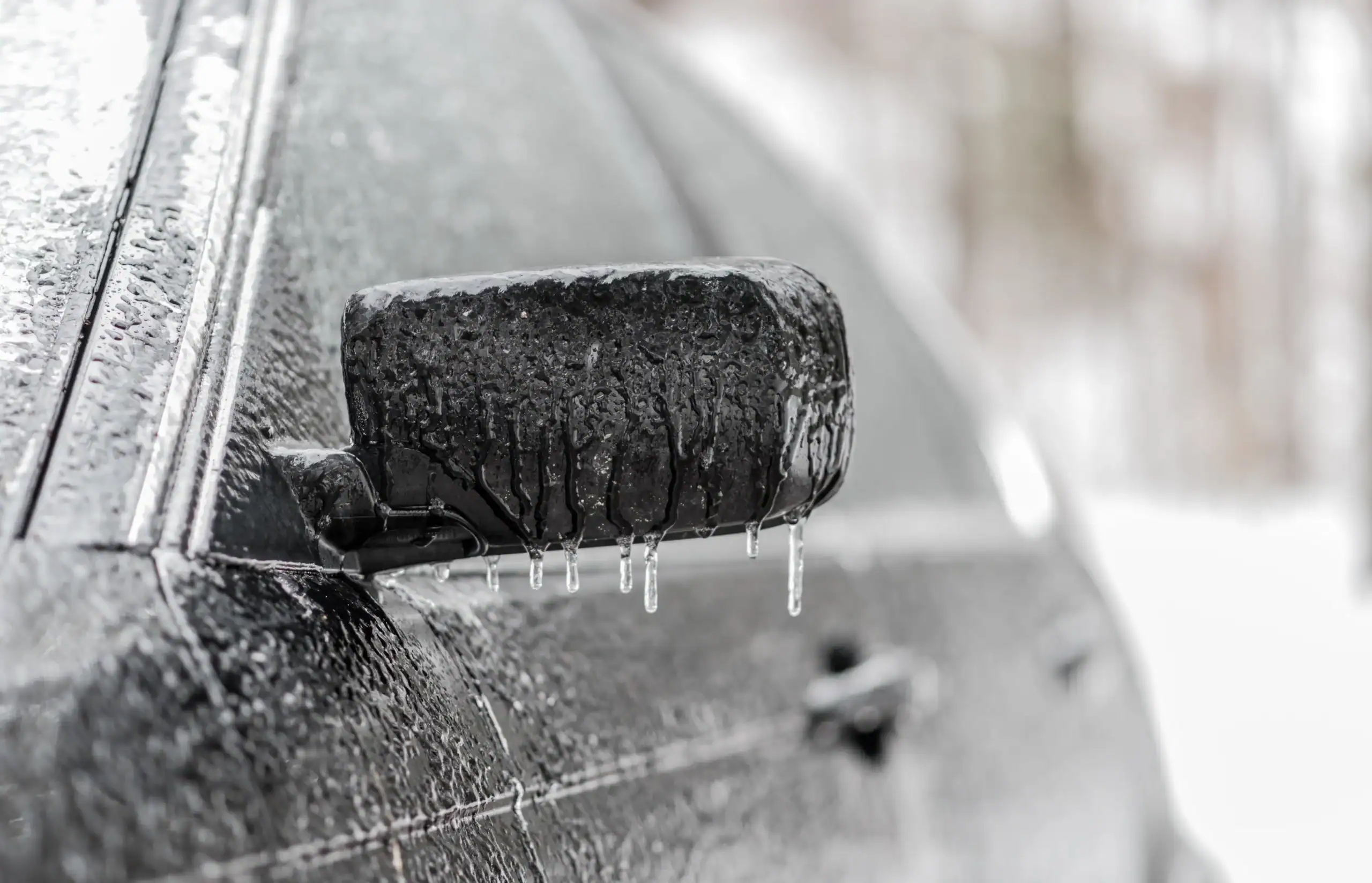
Winter in Newfoundland is hard on vehicles. While most drivers focus on winter tires and engine maintenance, paint protection often gets ignored. Unfortunately, paint damage does not happen suddenly. Instead, it builds slowly through cold temperatures, moisture, salt, and repeated freeze–thaw cycles.
Over time, this exposure leads to dull paint, permanent defects, and costly correction work. By the time spring arrives, the damage has already occurred.
This guide explains what actually happens to unprotected paint during winter, why the damage accelerates, and what skipping protection truly costs vehicle owners.
What Happens When Your Car Freezes Overnight

When a vehicle sits outside overnight, moisture from the air settles on the paint surface. As temperatures drop, that moisture freezes directly onto the clear coat.
On unprotected paint, this frozen moisture:
- Bonds directly to microscopic pores in the clear coat
- Freezes inside surface imperfections
- Expands as it turns to ice
Because automotive paint is flexible, it naturally expands and contracts with temperature changes. However, when ice bonds directly to the surface, it introduces mechanical stress that the paint was never designed to handle repeatedly.
As a result, damage begins long before it becomes visible.
Thermal Contraction: The Invisible Stress on Your Paint

Cold temperatures cause the clear coat to contract. When frozen moisture is bonded directly to the surface, this contraction happens unevenly.
Over time, repeated contraction leads to:
- Micro-fractures in the clear coat
- Reduced surface elasticity
- Loss of gloss and depth
Although these defects are difficult to see at first, they weaken the paint’s ability to resist contaminants, UV exposure, and chemical damage.
By spring, paint that once looked healthy often appears flat, dull, or prematurely aged.
Freeze–Thaw Cycles: How Winter Accelerates Wear

In Newfoundland, temperatures frequently move above and below freezing within the same day. Because of this, vehicles experience constant freeze–thaw cycles.
This cycle typically looks like this:
- Moisture freezes overnight
- Partial melting during the day
- Refreezing after sunset
Each cycle expands contaminants already embedded in the paint. At the same time, it increases friction between debris and the surface. As a result, micro-scratches and swirl marks accumulate much faster than during warmer seasons.
What appears to be normal winter exposure is actually compounded wear happening dozens of times every month.
Road Salt and De-Icing Chemicals: The Real Paint Killers
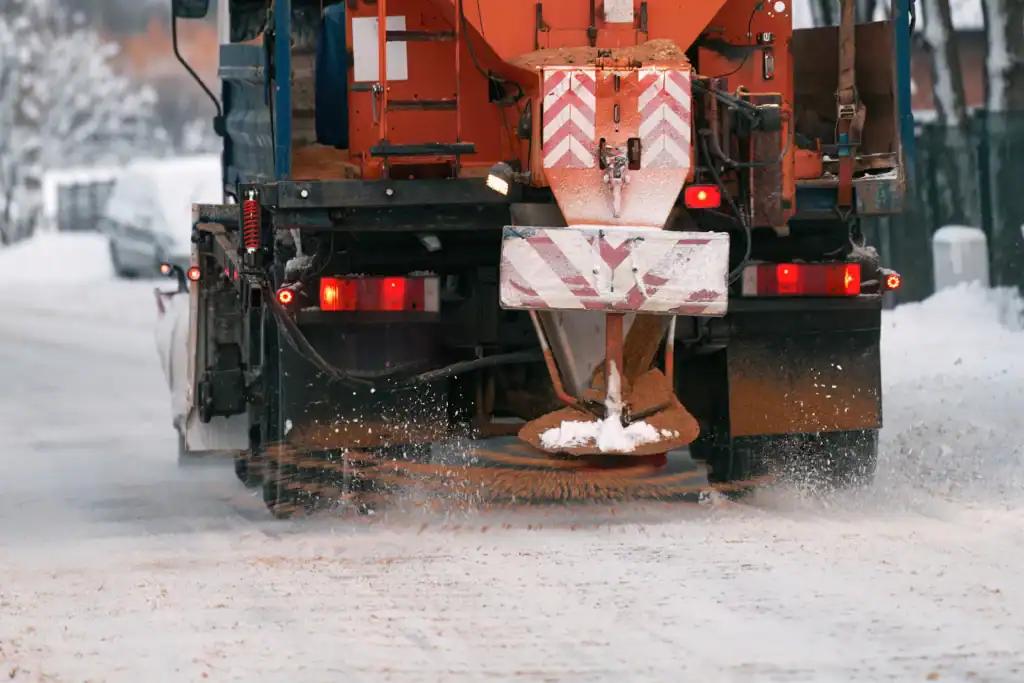
When ice melts, it does not leave clean water behind. Instead, it deposits:
- Road salt
- De-icing chemicals
- Sand and fine abrasives
On unprotected paint, these contaminants bond directly to the clear coat. Over time, they begin to break it down chemically.
More importantly, salt accelerates corrosion around stone chips, panel edges, and lower body sections. This is why rocker panels, doors, and rear bumpers often deteriorate first during winter.
Ice Removal and Washing: Where Scratches Begin
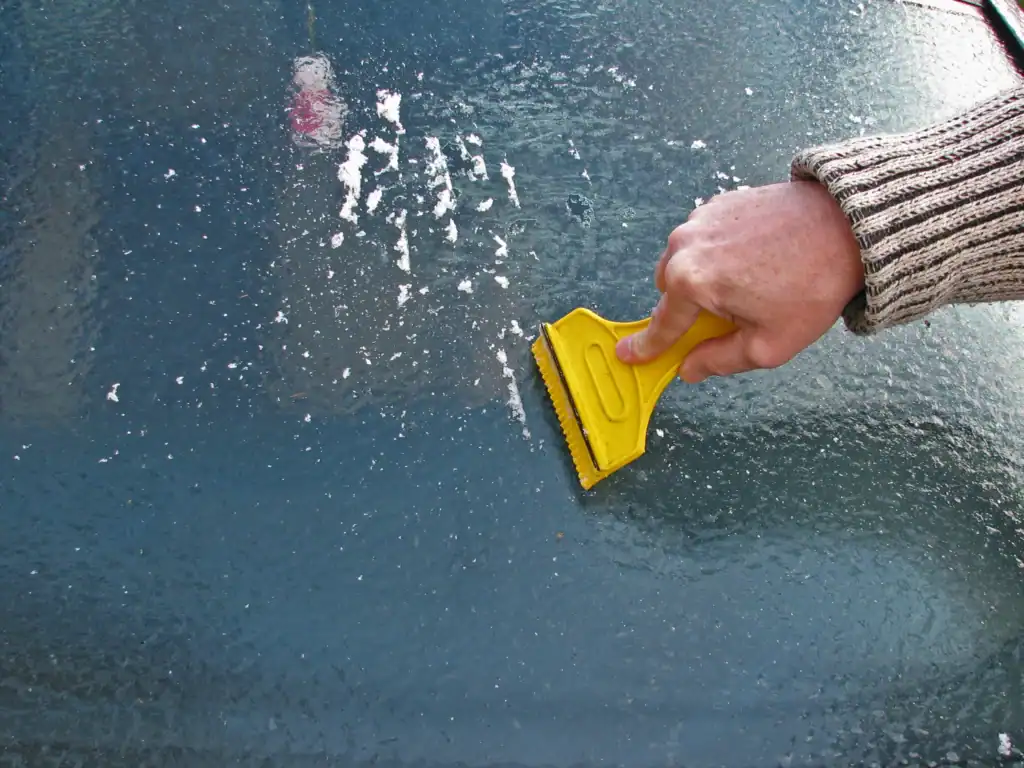
During winter, vehicles must be cleared of ice and snow regularly. Even careful removal introduces friction.
When ice sits directly on bare paint:
- Dirt and salt become trapped underneath
- Any movement drags abrasive particles across the surface
- Micro-scratches form quickly
Because of this, many vehicles require machine polishing in the spring just to restore clarity. This type of correction removes measurable clear coat and was often never planned or budgeted for.
The Financial Cost of No Protection

Many vehicle owners skip paint protection to save money up front. However, this decision often leads to higher costs later.
Common springtime corrective services include:
- Intensive decontamination washes
- Clay bar treatments
- One-step or two-step paint correction
These services can easily exceed the cost of preventative protection, especially when repeated year after year.
Over time, repeated correction reduces clear coat thickness. Eventually, the paint can no longer be safely polished, which shortens the overall lifespan of the finish.
In contrast, preventative protection preserves paint instead of consuming it.
Why Paint Protection Changes Everything
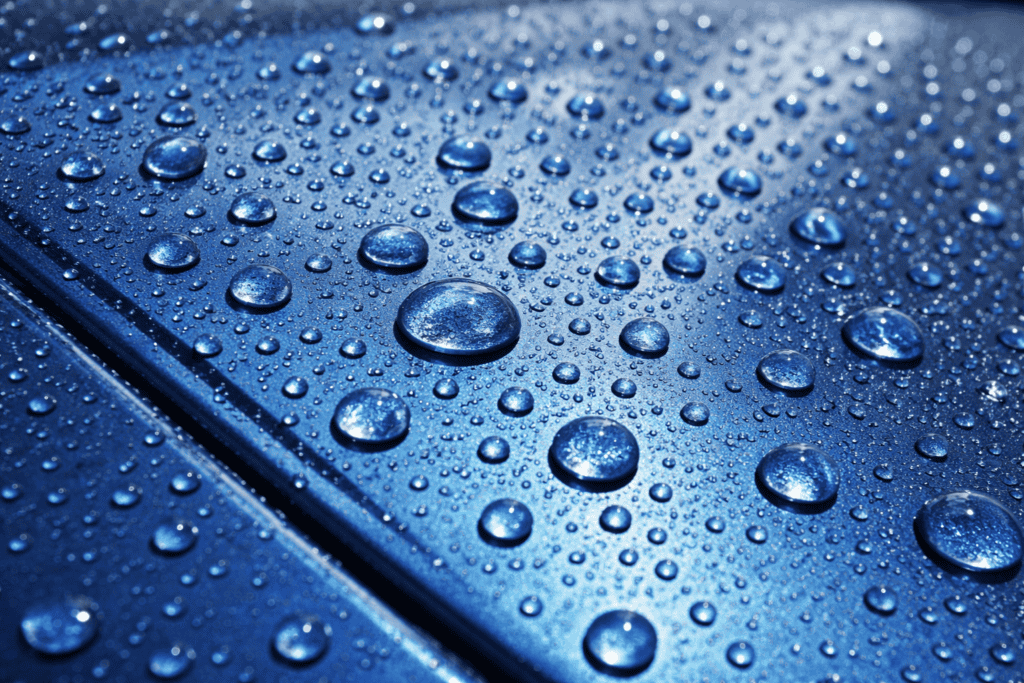
Paint protection does not stop winter weather. Instead, it separates your paint from it.
A proper protection layer:
- Prevents ice from bonding directly to the clear coat
- Reduces chemical exposure from salt and contaminants
- Minimizes friction during washing and snow removal
- Preserves gloss, depth, and surface integrity
Rather than damaging the paint itself, winter wear occurs in the protection layer, which can be safely maintained or replaced
Prevention Is Always Cheaper Than Correction
Winter paint damage is progressive. It builds slowly and often goes unnoticed until it becomes obvious.
By the time paint feels rough, looks dull, or shows heavy swirl marks, the damage has already occurred. At that point, correction costs far more than prevention ever would.
For vehicles exposed to winter conditions, paint protection is not cosmetic. It is preservation
Final Thoughts
Your vehicle sits outside while you sleep, work, and go about your day. Every freeze–thaw cycle, every salt-covered road, and every icy morning either contacts your paint directly, or it does not.
The real cost of not protecting your paint is not just financial. It is lost gloss, reduced lifespan, and permanent wear that cannot always be reversed.
Protecting your paint before winter begins is the difference between maintaining your vehicle and correcting it year after year.
Leave a Reply