 est. defect removalup to 60%
Level 1
One-step correction
A refresh for paint in fair condition
Polish
Boosts gloss and clarity, and removes or reduces lighter swirl marks and haze in a single polishing stage.

Bring back the clarity, gloss and depth your paint had on day one. We remove swirl marks, light scratches and haze with precise machine polishing, so your vehicle looks sharp in every light.
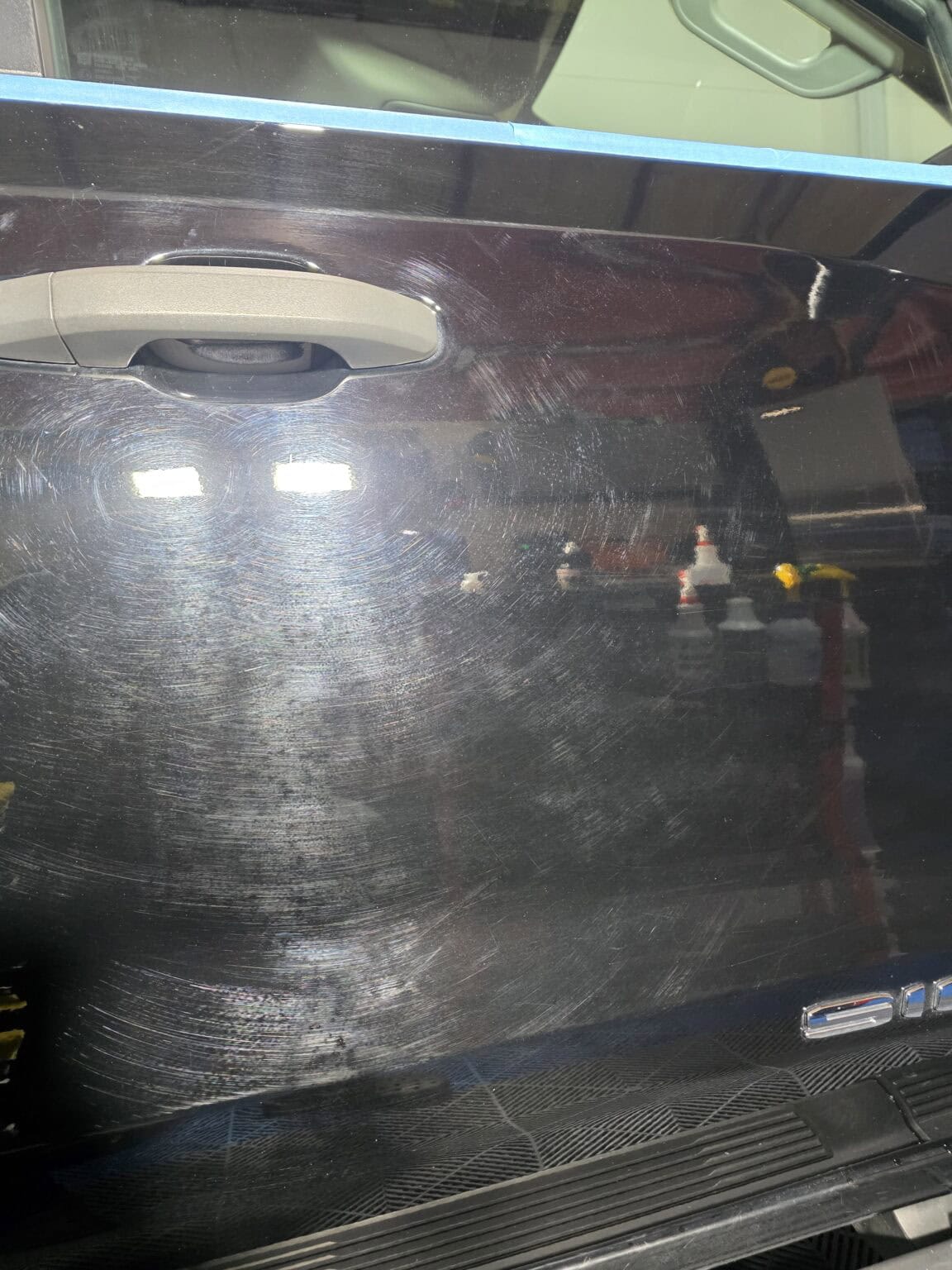
In the shade your paint may look fine. In direct sun, these are the flaws that show up. If you've noticed any of them, paint correction can help.
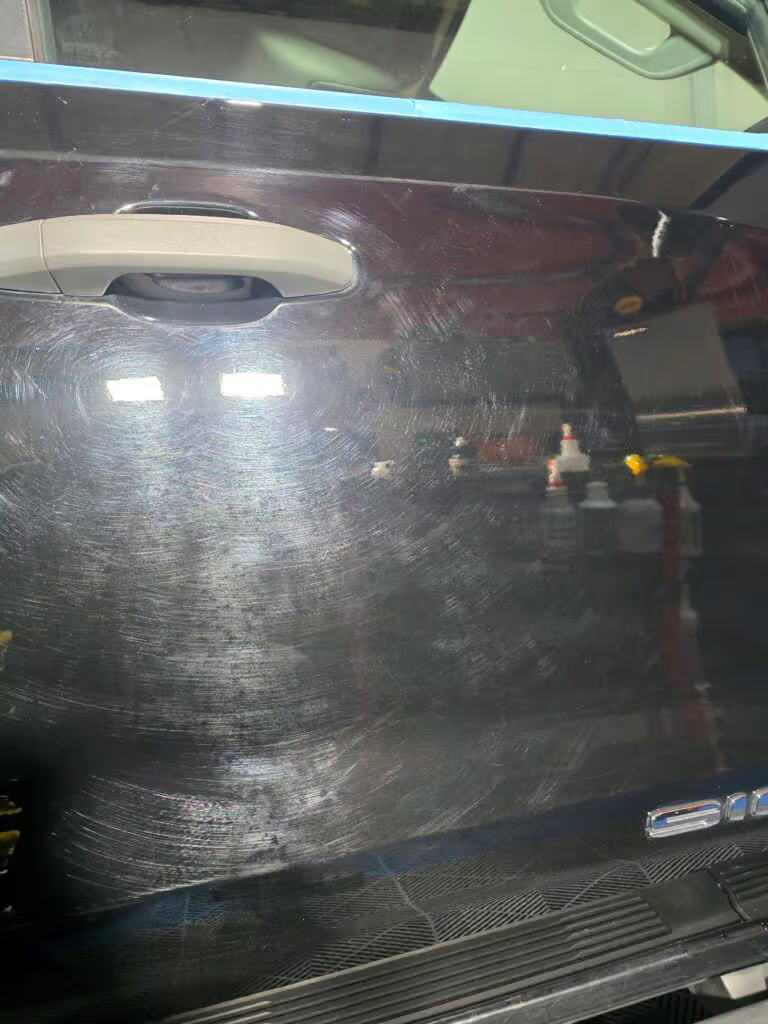
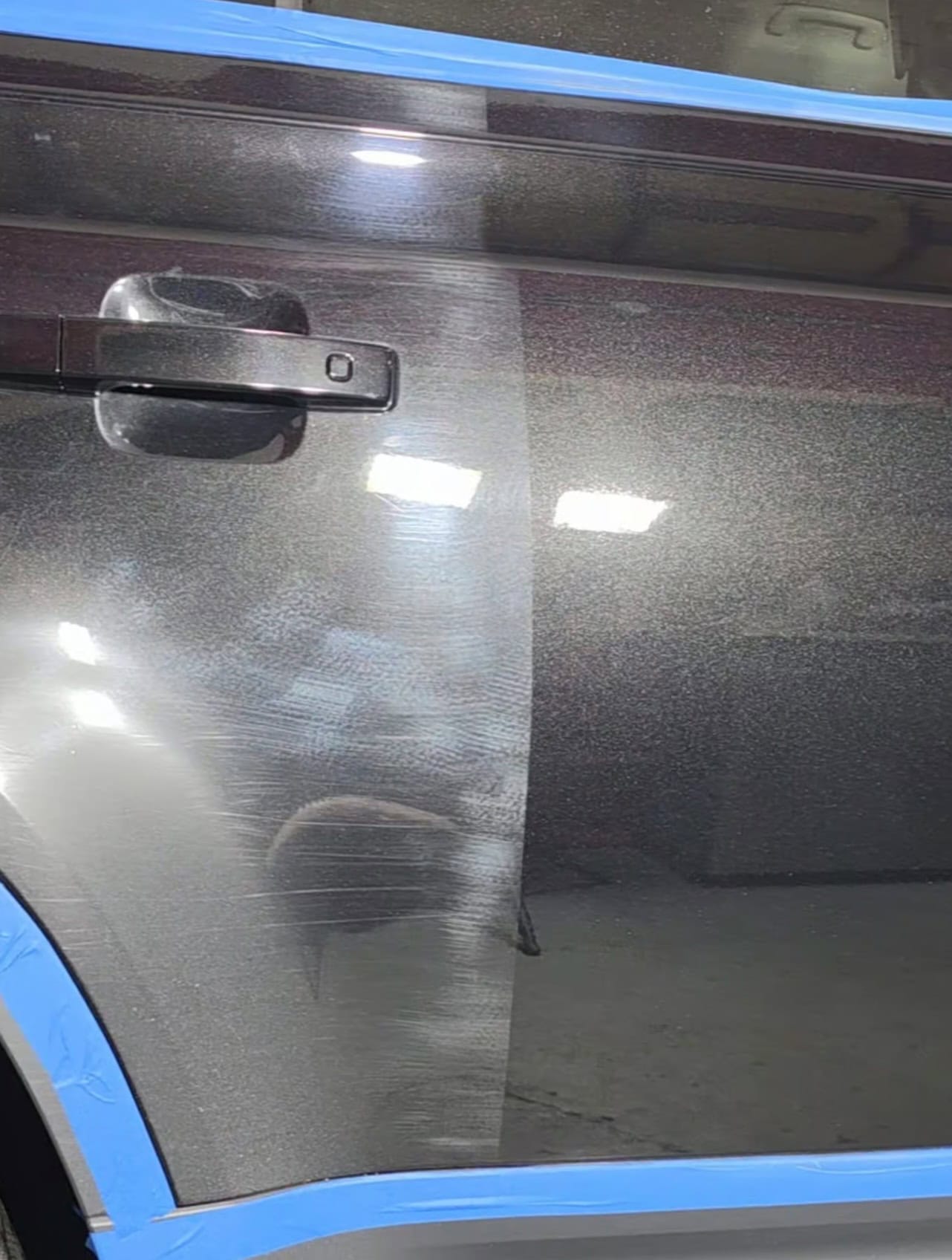
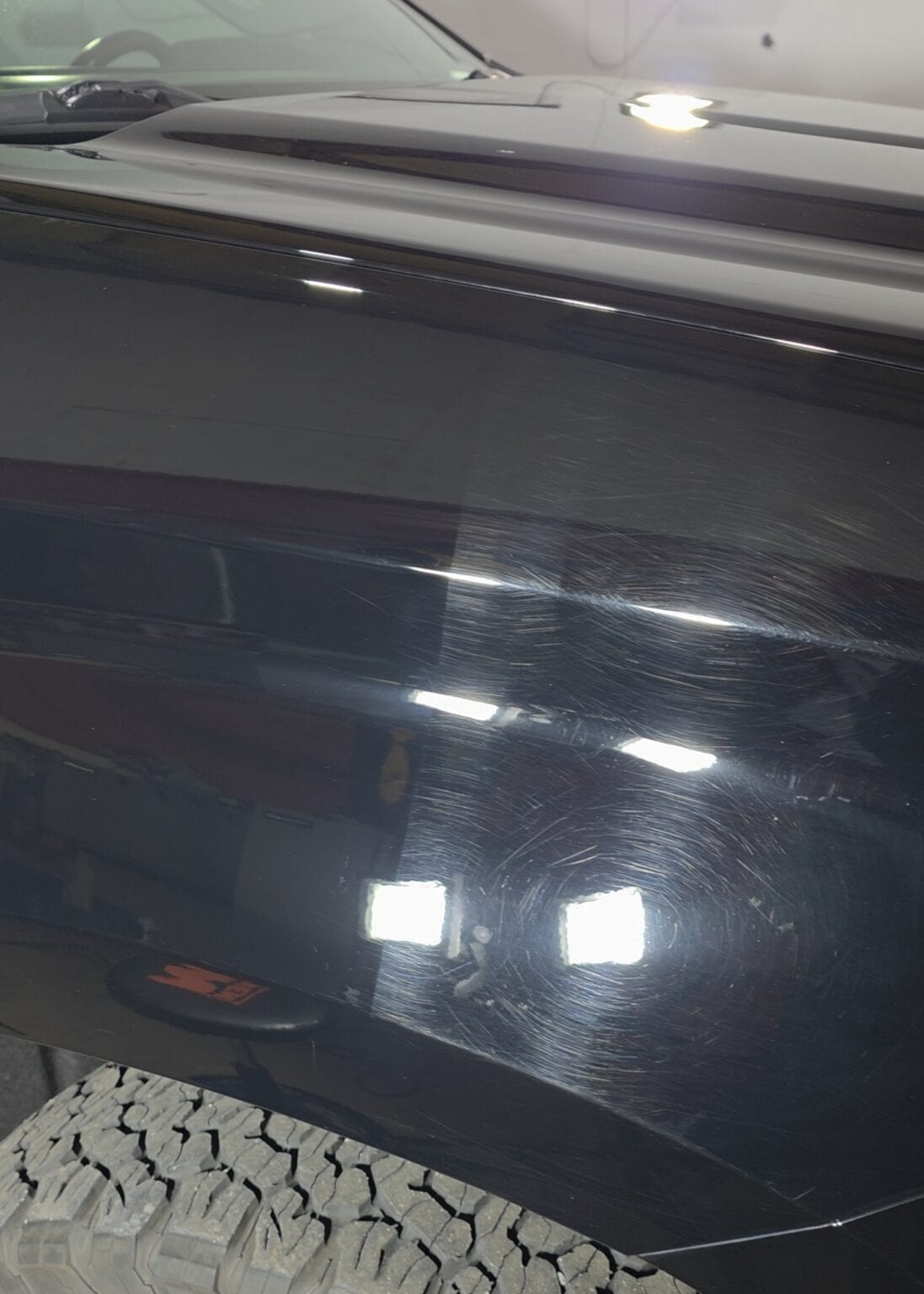
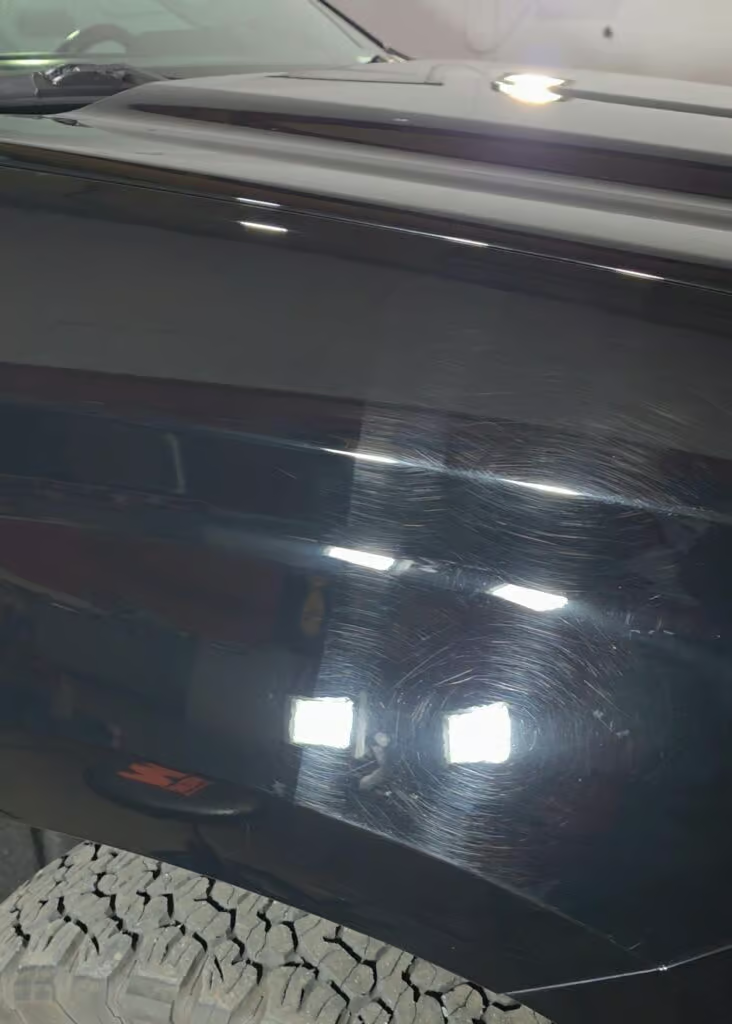
Fine circular scratches that look like a spider-web around lights and the sun.

Marks from washing, brushes and everyday contact that catch the light.
Cloudy, rainbow-like trails, often left by improper machine polishing, that dull depth and colour.

Sun-worn paint that has lost its richness and reflection.
Photos 02 and 04: charlesng88 and Charlie, CC BY 2.0.
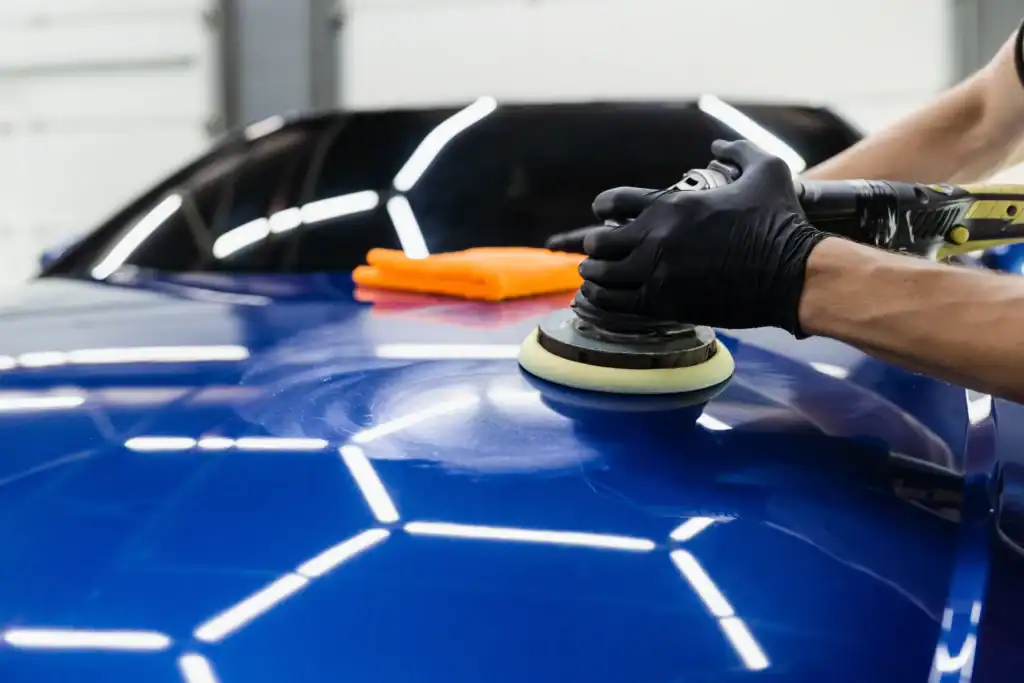
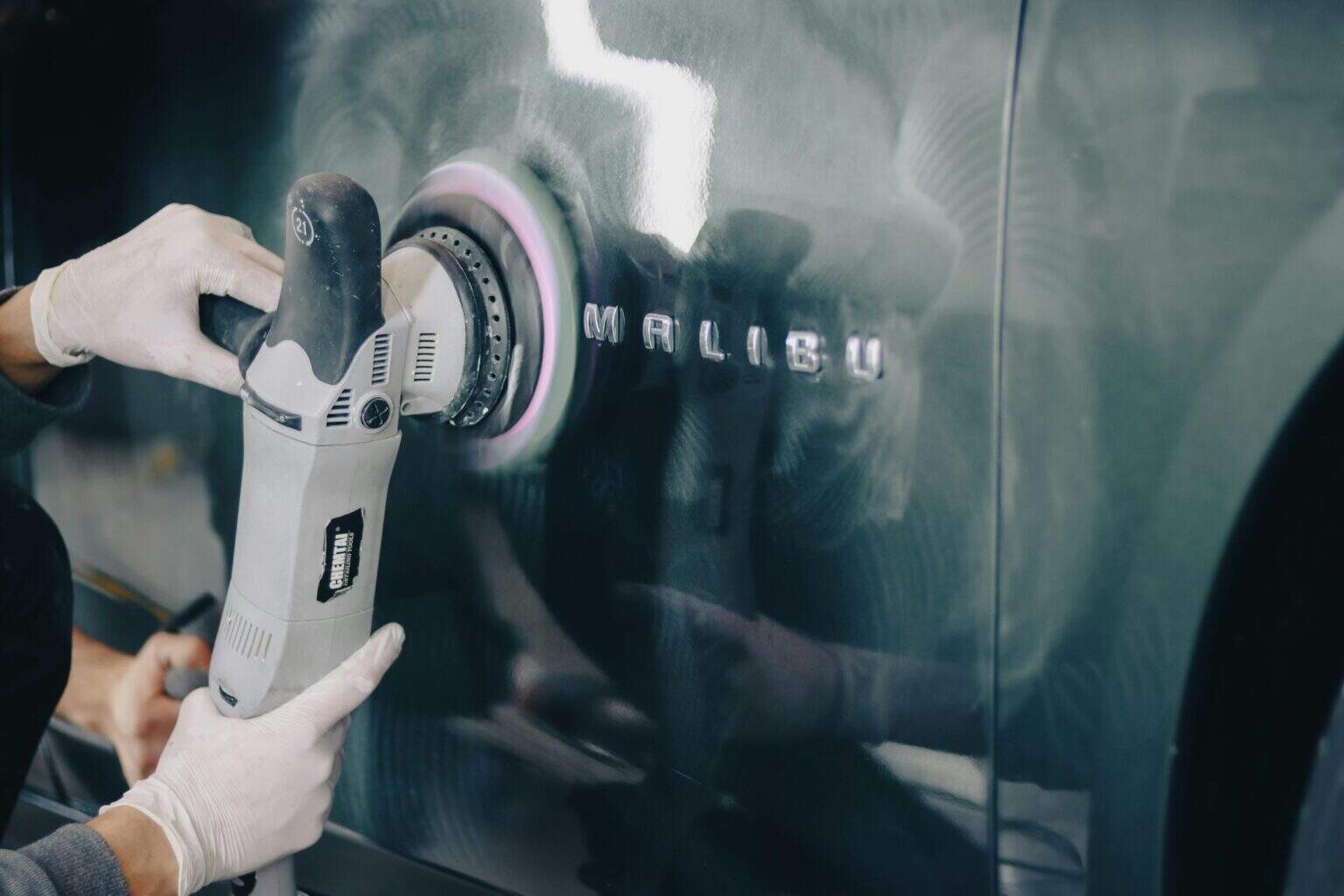
Paint correction is precision machine polishing that levels the clear coat to remove swirl marks, light scratches and haze. The result is paint that reflects light cleanly again.
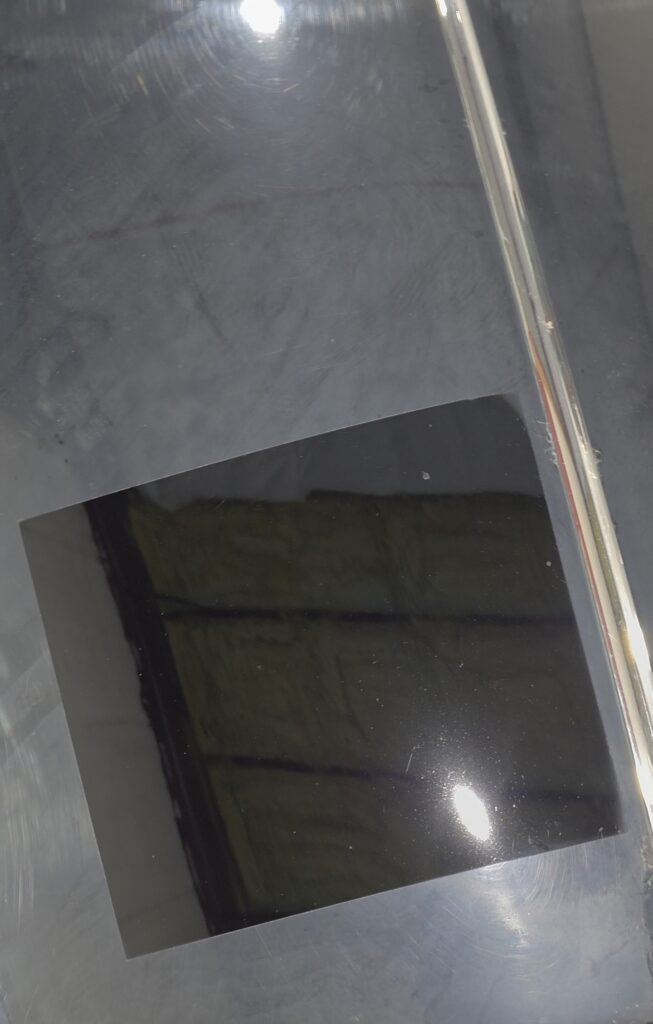
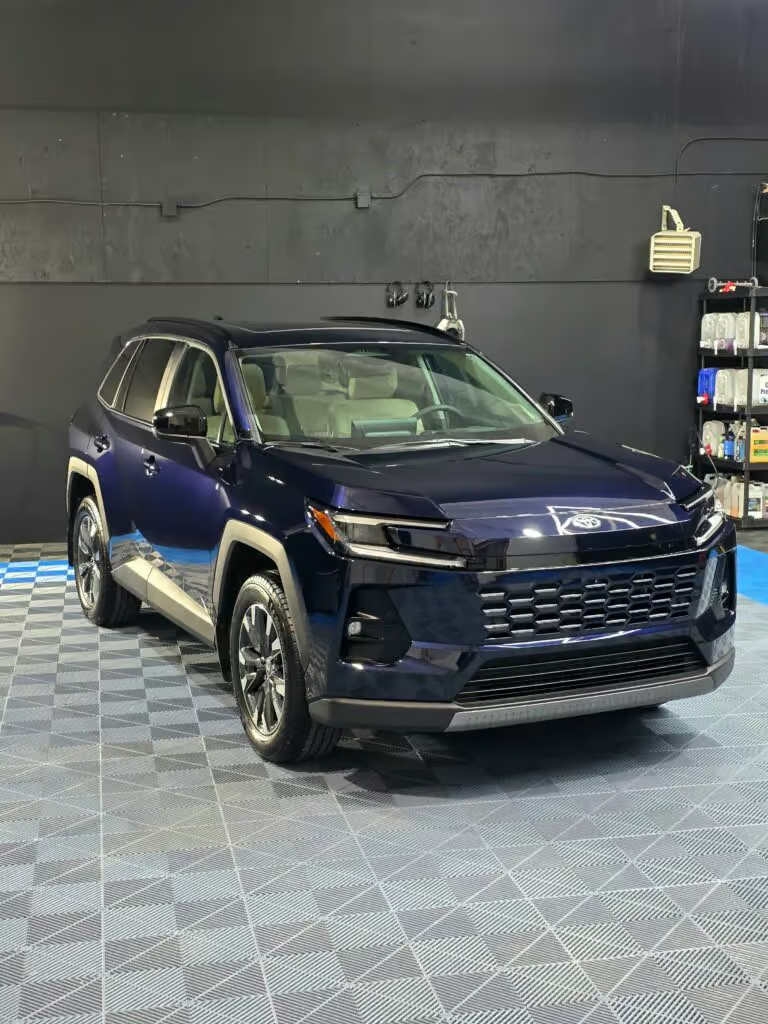
Studio lights show every flaw, which is exactly why we work under them. Real vehicles from our Mount Pearl studio, photographed halfway through correction.
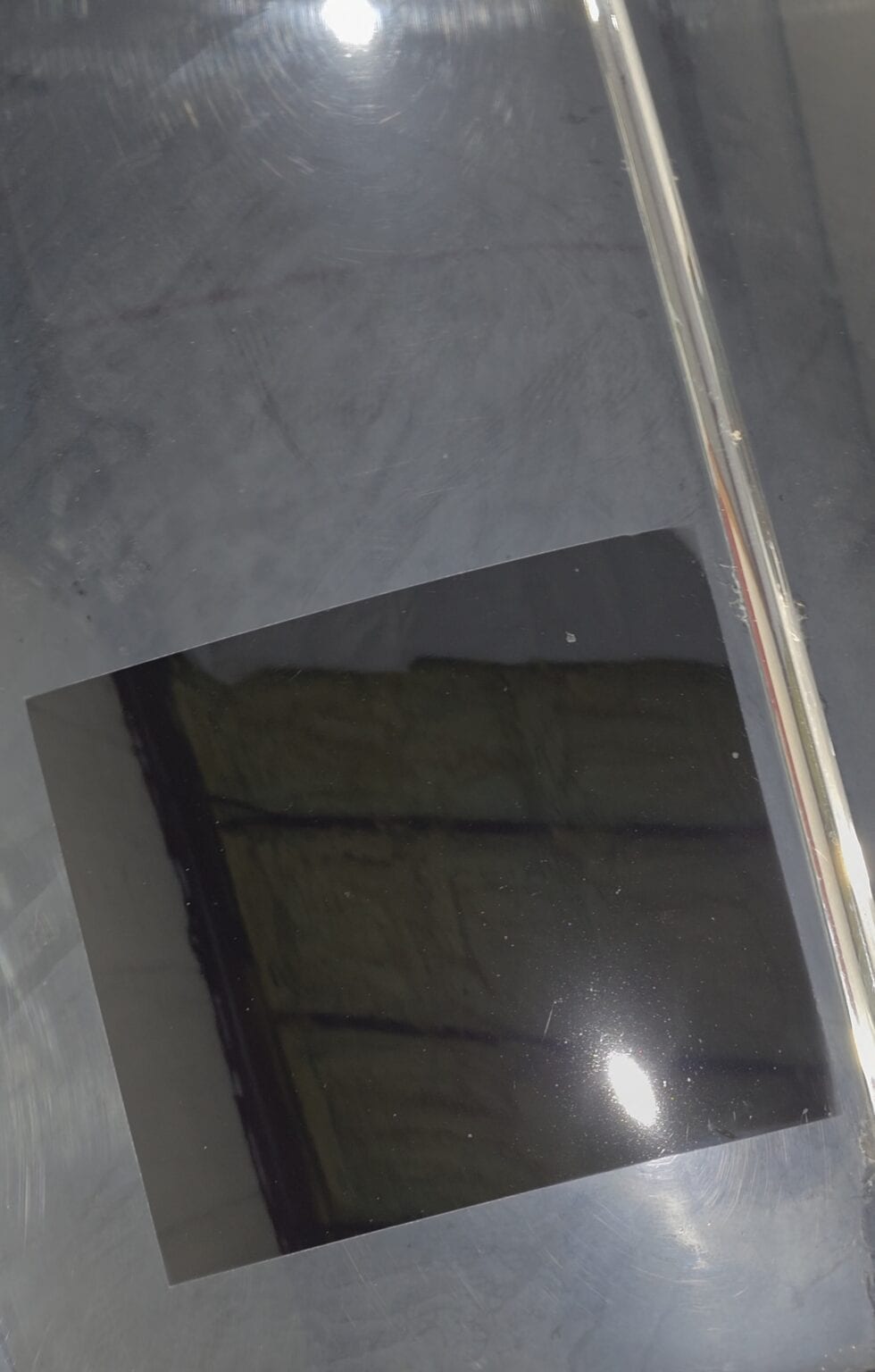
Paint condition, defect severity and how much clear coat is available decide the safest, most effective approach for your vehicle. You don't need to know what your paint needs. That's our job.
Every panel is checked to see which defects are present and how severe they are.
A small area is polished first to see how your paint responds and what's realistically achievable.
You get a clear recommendation and quote, based on your paint's condition and the result you're after.
Three levels of correction, each aiming for a different degree of improvement. You don't have to choose alone: we'll confirm the right level after your inspection and test spot.
est. defect removalup to 60%A refresh for paint in fair condition
Boosts gloss and clarity, and removes or reduces lighter swirl marks and haze in a single polishing stage.
 est. defect removalup to 80%+
A noticeable transformation
A cutting stage removes most visible swirls and light scratches, then a refining stage brings back deep, crisp gloss.
 est. defect removalup to 90%+
Maximum refinement
Multiple stages for the highest level of defect removal and finish refinement, with wet sanding on certain deeper defects when the paint allows.
You don't need to be. Tell us what bothers you about your paint and the result you're hoping for. After the inspection and test spot, we'll recommend the level that fits your paint and your goals.
Defect removal figures are estimates, not guarantees. Results depend on paint condition, clear-coat hardness and thickness, and how severe the defects are.
Methodical, done under proper lighting, and always with your clear coat in mind.
Book a Paint AssessmentThe paint is inspected under proper lighting to assess its condition, identify defects and determine the appropriate level of correction. A test spot is performed to see how the paint responds before we proceed with the full vehicle.
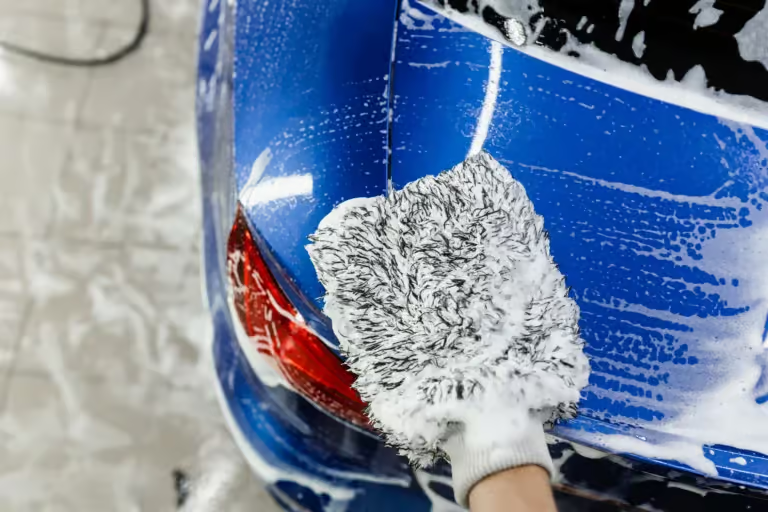
The vehicle is thoroughly washed and decontaminated to remove road film, iron contamination, tar and other bonded contaminants. Trim, emblems and sensitive edges are then taped off to protect them during polishing.
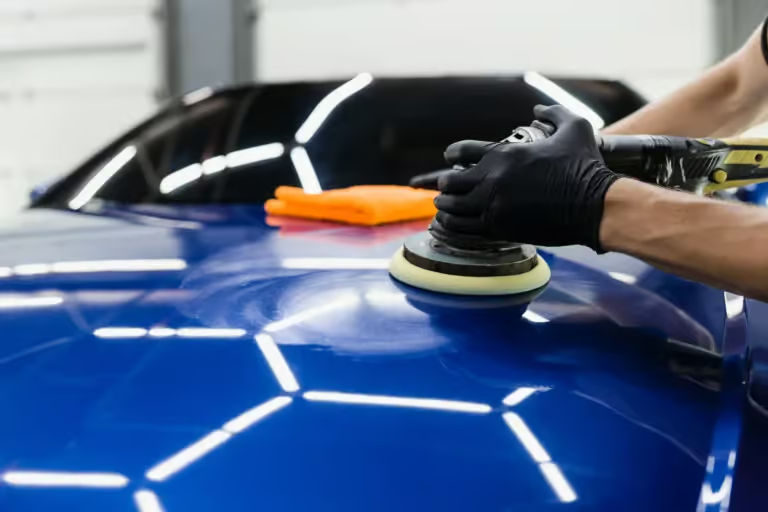
Each panel is corrected using the pad, polish and machine combination confirmed by the test spot, removing only as much clear coat as needed to level the defects.
A finishing polish refines the surface for maximum clarity, gloss and depth, leaving it free of haze and polishing marks.
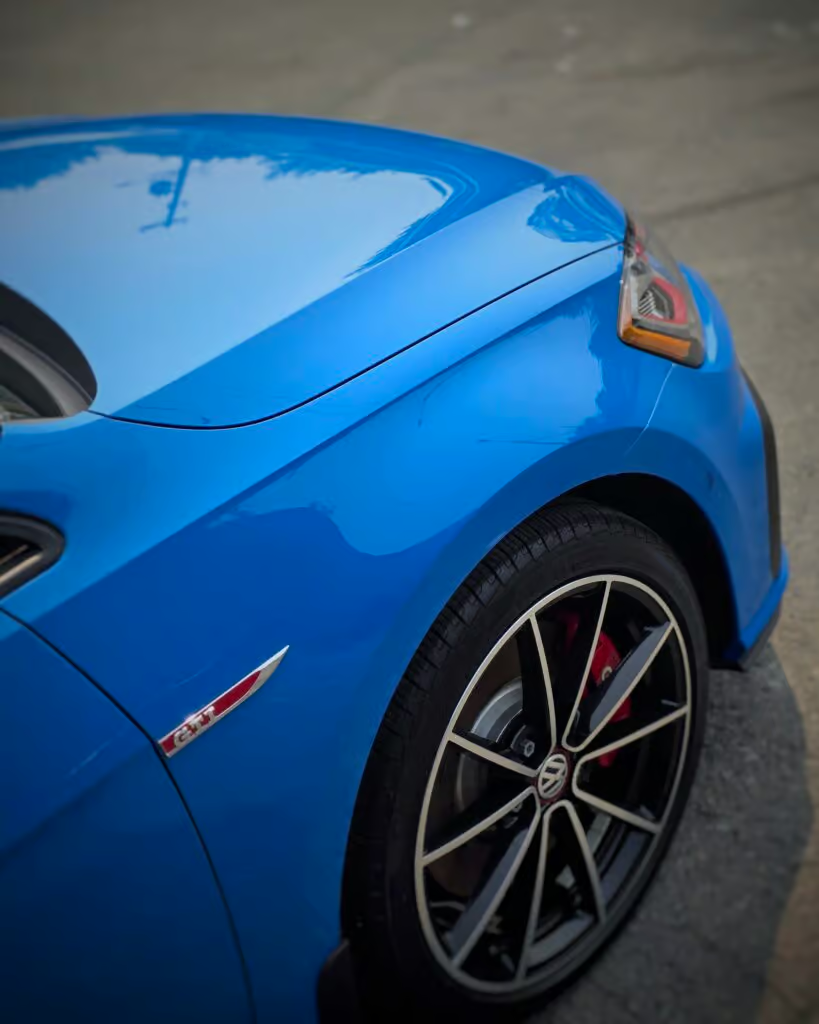
Every panel is wiped down and inspected under studio lighting from multiple angles before your vehicle is handed back.
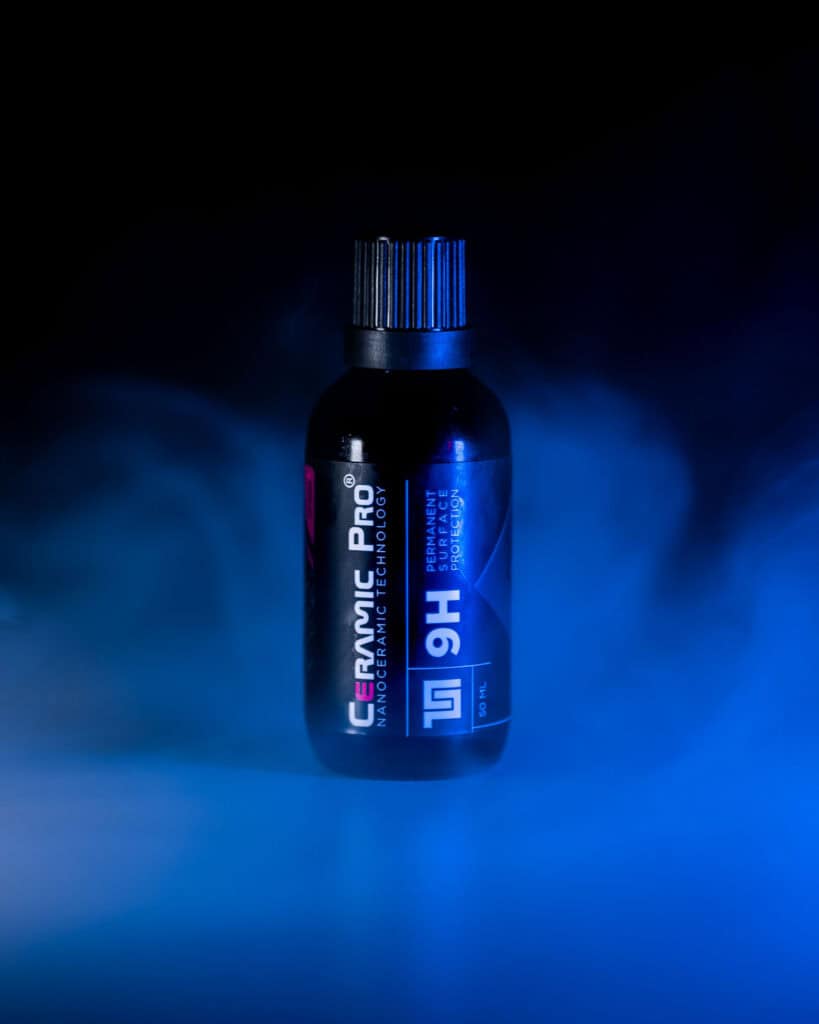
Paint correction restores the finish, but it doesn't protect it. A ceramic coating locks in the freshly corrected gloss, makes washing easier and helps resist new wash marks.
Your clear coat is thinner than a sheet of paper, and it's what protects the colour underneath. Every correction removes a tiny amount of it, so our goal is the best result your paint can safely achieve, not the most aggressive one.
Our latest reviews from customers on Google.
 Reviews
4.9
 Based on 150+ reviews

David and his team did a fantastic job on my Harley Davidson Roadglide. The new ceramic coat makes the bike look better then the day I drove it off the showroom floor. I highly recommend this company for your auto detailing needs. I’ll be coming back with a couple of my 4 wheeled vehicles very soon !!
To say that I am extremely satisfied with their work and customer service would be a huge understatement! I would highly recommend David and his team at Swoosh! My 2019 Honda Goldwing Tour DCT Has over 65,000 kms on it and it now looks better than new showroom condition!
Did an outstanding job on both of our vehicles. Great communication during the process! One of our vehicles had some scratches but the final finish looks way better than it did at the dealership! Fantastic job and will be back with my other vehicles! 10/10 for Swoosh!
Almost always from everyday habits, not neglect. That's why even newer vehicles often need correction.
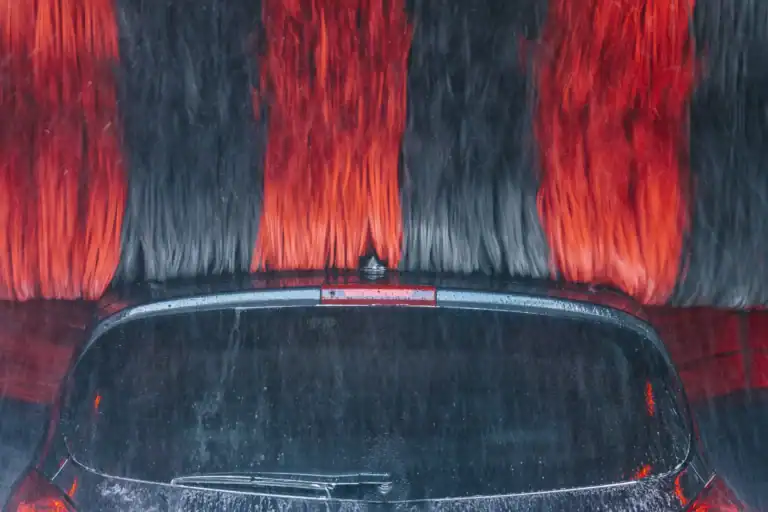
Spinning brushes carry grit from every vehicle before yours and drag it across your paint.
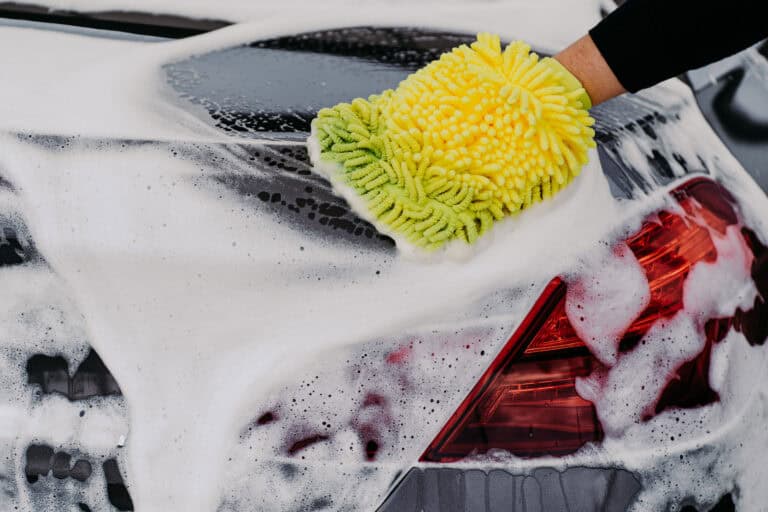
A dirty mitt, one bucket and scrubbing in circles grind trapped dirt into the clear coat.
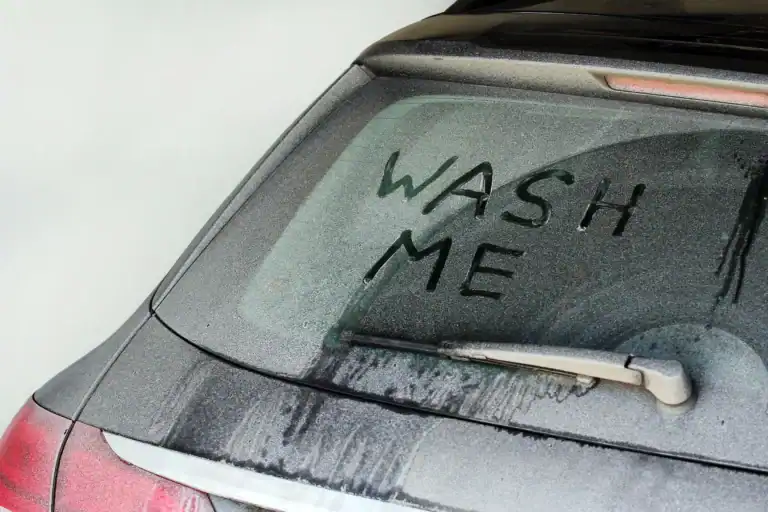
Even a quick wipe with a hand or cloth turns dust and road grime into sandpaper.
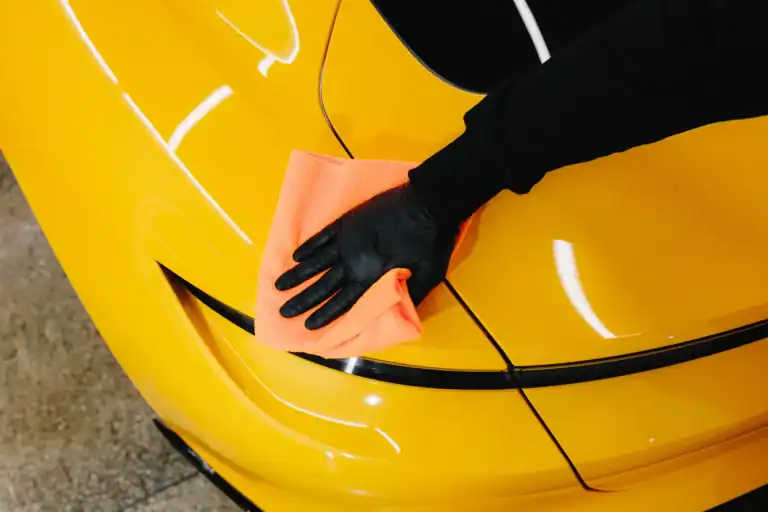
Old towels, chamois and squeegees leave fine scratches behind every time.
Bags, keys, jackets and leaning on the car. Small touches that add up over the years.
The good news: most of this damage sits in the clear coat, and that's exactly what correction can improve.
Not always. Swirl marks, haze and many light scratches can be removed or greatly reduced. Some deeper scratches may only be reduced, because removing them completely would take away too much clear coat and affect your paint's long-term durability. Scratches through the clear coat and rock chips need paint repair. We'll tell you what's realistic after inspecting your paint.
You don't need to figure that out yourself. We inspect the paint under proper lighting and polish a test spot to see how it responds. Then we recommend the approach that fits your paint's condition and the result you're hoping for.
A one-step correction uses a single polishing stage to improve gloss and clarity and reduce lighter swirls and haze. A two-step correction adds a separate cutting stage before the refining stage, which lets us address more noticeable defects and reach a higher level of correction.
Yes. Wet sanding is an advanced technique that can form part of a Level 3 multi-step correction, used on certain deeper defects that machine polishing alone can't adequately address. Most vehicles don't need it, and we'll only use it when the paint can safely allow it.
No. A rock chip is physical paint loss, so there's nothing left to polish. Chips need touch-up paint or a body shop repair.
Typically 1 to 2 days, depending on your vehicle's size, the condition of the paint and the level of correction needed.
Yes, when it's done properly. Correction removes a very small amount of clear coat to level out defects, which is why we inspect first, test before polishing the whole vehicle and only take the paint as far as it needs to go.
Corrected paint stays corrected, but new swirl marks can return if the vehicle is washed or dried the wrong way. With proper care, and ideally a ceramic coating on top, results can last for years.
Hand wash with a pH-neutral shampoo and clean microfibre mitts, rinse off grit before touching the paint, avoid automatic brush car washes and dry with a soft, clean microfibre towel. A ceramic coating makes all of this easier and helps resist new wash marks.
No. Matte and satin finishes can't be polished, because polishing would add shine and leave uneven patches. For these finishes we recommend a deep clean and a coating made for matte surfaces.
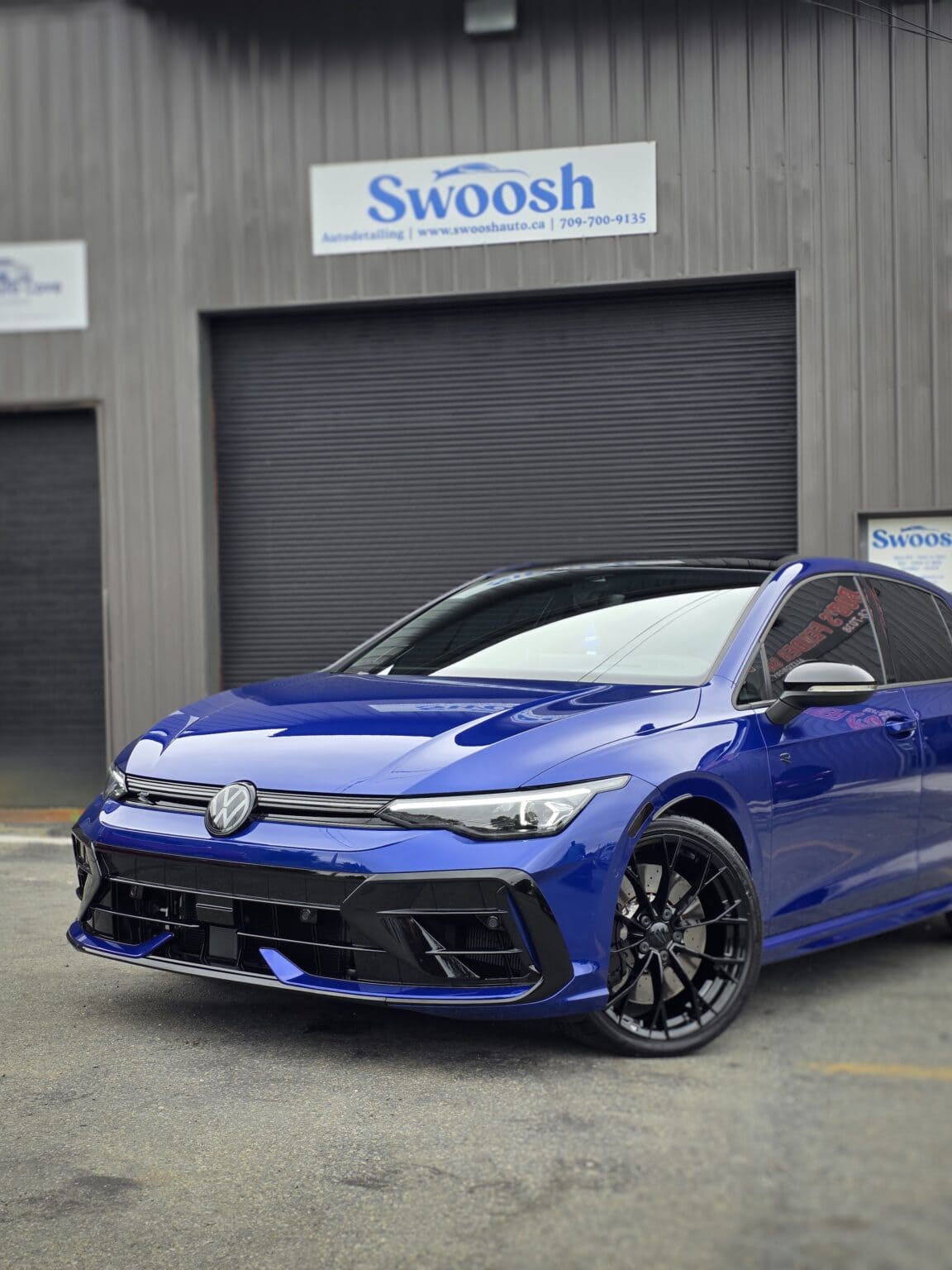
Book a paint assessment. We'll inspect your paint, perform a test spot and recommend the right level of correction, with a clear quote and no obligation.

